

ACL Prehab: What to Do Before ACL Surgery (A Coach and Athlete Guide)
An ACL tear puts everything on pause. Surgery gets scheduled, the season is gone, and the weeks in between feel like dead time. They are not. What an athlete does with those weeks has a measurable effect on how the next year goes.
That work is called ACL prehab. This guide explains what it is, what the evidence says, and what a typical program looks like week by week. It is written for athletes, parents, and coaches. It is not a substitute for a physical therapist or a surgeon. Every decision about an injured knee belongs to the athlete's care team.
One note before we start. Prehab does not make surgery optional, and it does not promise a faster comeback. What it does, according to the research below, is stack the deck. The athlete controls one variable in this process: the condition of the knee on surgery day. Prehab is how that variable gets controlled.
What ACL prehab is
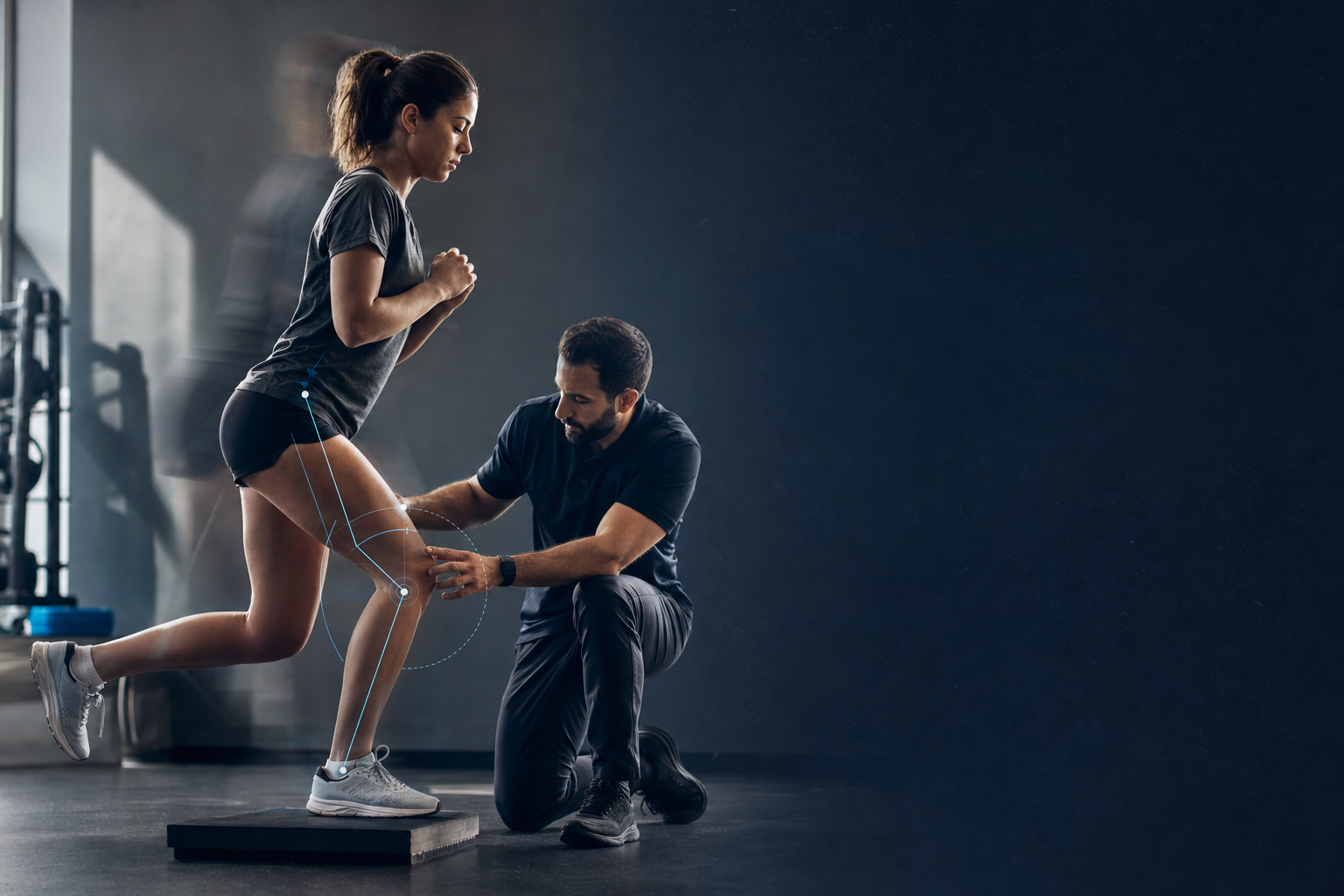
ACL prehab is a structured exercise program run in the weeks between an ACL injury and reconstruction surgery. Guided by a physical therapist, it aims to reduce swelling, restore full range of motion, and rebuild quadriceps strength so the knee enters surgery in the best possible condition.
The logic is simple. Surgery is a controlled trauma. A knee that is quiet, straight, and strong handles that trauma better than a knee that is swollen, stiff, and weak. A recent systematic review of prehab before ACL reconstruction found it is safe and delivers benefits that reach from early recovery into the years that follow.
The full name is prehabilitation. The term covers structured exercise before any planned surgery, and ACL reconstruction is where it has been studied most in sports. Athletes will also hear it called preoperative rehab or pre-surgery PT. Same idea in every case: rehab principles applied before the operation instead of only after it.
Prehab is not the same as trying to avoid surgery. Some athletes pursue nonoperative management, and for some knees that is a real path. This guide assumes surgery is booked and the goal is to arrive prepared.
Why prehab matters: what the evidence shows
Three findings carry most of the weight here.
First, prehab improves the knee before and after surgery. A randomized trial of a six-week prehab program found better single-leg hop performance and increased quadriceps muscle size going into surgery. The gains carried through. The prehab group reported better knee function twelve weeks after reconstruction.
Second, the benefit shows up years later. A comparative study of two ACL cohorts found that athletes who completed extended preoperative rehab reported better knee function two years after reconstruction than athletes who received usual care.
Third, the strength you bring into surgery tends to follow you out. A cohort study of preoperative quadriceps strength found it predicted knee function two years after reconstruction. Athletes who entered surgery with a quadriceps deficit larger than 20 percent still carried a significant deficit two years later.
None of this guarantees an individual outcome. Recovery has too many variables for that. What the evidence supports is a shift in odds. Knees that enter surgery stronger tend to come out ahead.
The four goals of ACL prehab
Programs differ in their details, but the targets are consistent. A widely studied five-week progressive protocol organizes the work around a few measurable goals. Here is what each one means in plain language.
- Calm the knee. Swelling control comes first because swelling blocks everything else. A swollen knee resists bending. Worse, swelling actively shuts down the quadriceps. Physical therapists call this arthrogenic muscle inhibition. In plain terms, the joint tells the muscle to stop working. Until the swelling settles, strength work cannot land.
- Restore range of motion. A fully straight knee is the headline goal. Extension that matches the healthy leg makes walking normal again and sets up the post-surgical rehab. Comfortable bending matters too, and it usually follows once swelling is controlled.
- Rebuild strength. Quadriceps first, hamstrings close behind. This is where the 20 percent deficit finding bites. The weeks before surgery are the window to close as much of that gap as the knee allows.
- Walk normally again. Gait retraining sounds minor. It is not. A limp practiced for six weeks becomes a habit that follows the athlete into recovery. Normal walking is both a goal and a daily rep.
A good program measures these goals rather than assuming them. Expect the physical therapist to track swelling, extension and flexion angles, and strength across the block. Those numbers are the honest scoreboard, and they are what the surgeon wants to hear about at the pre-op visit.
How long should ACL prehab last?
Most studied programs run four to six weeks, typically with two to three sessions per week set by the physical therapist. The five-week progressive protocol started within three months of injury and was well tolerated. Adverse events occurred in under 4 percent of participants. The six-week randomized trial used a mix of gym-based and home-based sessions.
Surgery timing is the surgeon's call, and prehab length follows from it. A longer runway allows more strength work. A shorter one still leaves room for the goals that matter most: swelling control and full extension. Ask the care team what to prioritize in the time available.
A week-by-week prehab structure
The table below shows the shape of a typical program. It is a map, not a prescription. The athlete's physical therapist chooses the exercises, loads, and progressions for that specific knee.
| Phase | Focus | Example work | Ready to progress when |
|---|---|---|---|
| Weeks 1-2: Calm and straighten | Swelling control, full extension, quad activation, walking | Ice and elevation routine, heel props, quad sets, straight-leg raises, gait practice | Swelling trending down, knee straightens fully, quad visibly fires |
| Weeks 3-4: Build | Progressive strength and balance | Leg press, step-ups, hamstring work, single-leg balance, stationary bike | Strength work tolerated without swelling flare-ups, comfortable bend |
| Weeks 5-6: Function | Heavier strength, movement quality | Heavier lower-body strength, controlled hop and landing prep as tolerated | Surgeon and physical therapist confirm the knee is ready for surgery |
Two notes on reading this table. Progress is earned, not scheduled. If the knee swells after a session, the plan steps back before it steps forward. And the phases overlap in practice. Extension work from week one continues the whole way through.
Most weeks mix supervised clinic visits with home work in between. The home portion is where adherence quietly decides outcomes, which is exactly why it needs to be assigned somewhere the athlete will actually see it.
The prehab readiness checklist
These are the markers a care team commonly wants to see before reconstruction. Bring them to the pre-op appointment as questions, not as a self-clearance test.
- Swelling is controlled and no longer flares after daily activity.
- The knee straightens fully, matching the healthy leg.
- The knee bends comfortably through most of its range.
- A straight-leg raise holds without the leg sagging.
- Walking looks normal, without a limp.
Falling short on one of these is information, not failure. It tells the care team where the remaining prehab time should go, or whether the timeline deserves a conversation.
Where the coach fits during prehab
An injured athlete drifts. They stop coming to training, the group chat moves on, and a six-month recovery starts feeling like exile. A coach cannot run the rehab. A coach can keep the athlete inside the program.
The practical version looks like this. Keep the athlete in the team rhythm: same check-ins, same meetings, adjusted role. Get the physical therapist's approved home work into the same system the rest of the roster trains on, next to a structured offseason strength program their teammates might be running. Watch completion, because a prehab session skipped in week two is invisible until it shows up in surgery-day strength. And keep the messaging channel open.
Parents carry a piece of this too. For a teen athlete, the difference between prehab that happens and prehab that fades is usually logistics: rides to the clinic, a consistent time for home exercises, and someone who notices when a session gets skipped. The checklist above gives parents concrete questions for appointments, which beats sitting in the waiting room hoping it is going well.
This is where Greater helps. Coaches assign the approved work, see what actually gets done, and stay in contact through the app. Physical therapists use it the same way: see how physical therapists use Greater to guide athletes remotely.
Keep injured athletes inside the program
Greater lets coaches and physical therapists assign prehab work, track completion, and stay connected with the athlete through recovery.
Try Greater freeAfter surgery: prehab is the head start, not the finish
Prehab ends at the operating room door. Its logic continues for another year.
The reinjury data makes the point. In a two-year cohort study of athletes returning to pivoting sports, the reinjury rate dropped 51 percent for each month that return to sport was delayed, up to nine months after surgery. Athletes who passed strength and hop testing before returning had far fewer reinjuries than those who returned without passing. The strength bank account that prehab opens is the same one return-to-sport testing draws on.
The full arc matters too. A registry comparison linked a combined preoperative and postoperative rehab program to better knee function two years after surgery than usual care.
And when the athlete does come back, the work changes shape instead of stopping. A structured ACL injury prevention program reduces re-injury risk after return and belongs in the warm-up from the first practice back.
ACL surgery is one path into knee prehab and rehab work, but far from the only knee injury a coach will manage. For prevention evidence across the full range of common knee injuries, see our knee injury prevention guide.
Frequently asked questions
Does ACL prehab really improve surgery recovery?
The evidence points that way. A randomized trial found a six-week prehab program improved single-leg hop performance before surgery and self-reported knee function twelve weeks after. A two-cohort comparison found better function two years out. Prehab shifts the odds. It does not guarantee any individual result.
How long before ACL surgery should prehab start?
As soon as the care team clears it. Most studied programs run four to six weeks with two to three sessions per week, so a surgery date more than a month out usually leaves room for a full block. With less time, therapists typically prioritize swelling control and full extension.
Can you do ACL prehab at home?
Partly. Studied programs mix supervised sessions with home work. Early goals like swelling control, extension work, and quad activation translate well to home. Loading decisions and progressions should stay with the physical therapist.
What if surgery is only two weeks away?
Two weeks is still useful. Swelling control, extension work, and quad activation all fit in a short window and target the markers care teams look for before surgery. Ask the physical therapist what matters most for the specific knee.
Is it safe to exercise on a torn ACL?
Under a physical therapist's guidance, yes, within limits. In a widely studied five-week progressive program, adverse events occurred in under 4 percent of participants. Pivoting, cutting, and competitive play are a different matter and stay off the table until the care team says otherwise.
Does prehab work if you are not having surgery?
The same building blocks appear in nonoperative management of ACL tears: swelling control, range of motion, progressive strength, and movement retraining. Whether a knee is a candidate for the nonoperative path is a separate clinical question that belongs to the athlete's surgeon and physical therapist.